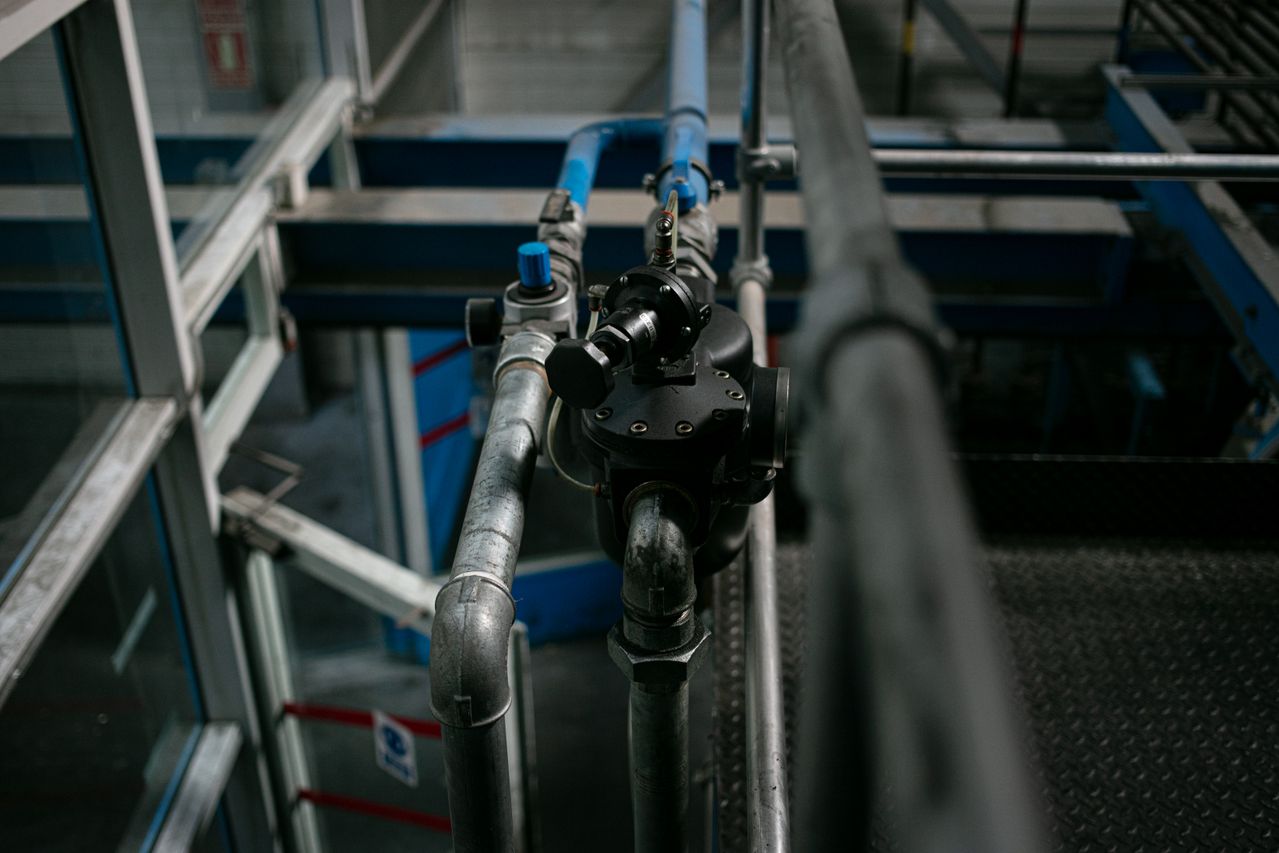
How to Tell if Steam Traps Are Wasting Energy in Your Facility
Steam trap failure may show up as live steam entering condensate lines, backed-up condensate, uneven heating, water hammer, or unnecessary boiler fuel use. A structured inspection program identifies failed components and directs repairs toward the losses that matter most.
Steam trap failure is easy to overlook in a busy industrial or institutional building. The boiler may continue to produce steam while a small component quietly allows valuable energy to escape or prevents condensate from draining. Over time, equipment performance and maintenance costs may deteriorate across the distribution system. At Atkinson Energy Group, our commercial boiler equipment offering includes pumps and traps, supported by technical services for steam and heating systems.
What happens when a steam trap fails?
A steam trap removes condensate and noncondensable gases from a steam system while retaining usable steam. Its operating mechanism depends on the trap design and the temperature or pressure conditions in the line. When a trap fails open, it may pass live steam into the condensate return, creating avoidable energy losses. When it fails closed or loses discharge capacity, condensate can collect upstream and disrupt heating or process operation.
The consequences depend on the trap’s location and the service it supports. A trap serving a small drip leg carries a different operational risk from one draining a critical heat exchanger or production machine. Mapping trap locations and classifying their duties gives maintenance teams the context needed to prioritize work safely.
Which 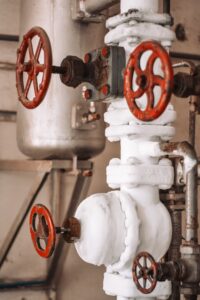 signs should your team investigate?
- Unexpected steam or excessive heat at a condensate receiver or return line.
- Water hammer, vibration, or abnormal sounds along distribution piping.
- Uneven heat output or slower warmup at steam-fed equipment.
- A rise in makeup water consumption without a documented process change.
- Boiler pressure instability or higher fuel use under similar demand.
These observations are starting points rather than proof of a particular fault. Discharge sounds, surface temperatures, and normal cycling differ across thermostatic, mechanical, and thermodynamic trap designs. Experienced technicians interpret observations alongside system pressure, condensate load, trap type, and the piping arrangement.
How does steam trap inspection work?
A reliable steam trap inspection begins with a current inventory. Record tag numbers, applications, manufacturer and model information, inlet and outlet pressures where accessible, and recent maintenance activity. Inspections may involve visual checks, temperature measurement, and ultrasonic analysis selected for the equipment and operating conditions.
Temperature readings need context
A temperature difference alone cannot diagnose every steam trap. Flash steam, backpressure, insulation, and intermittent discharge affect the readings. Technicians compare the observed pattern with the trap’s expected behavior and the actual operating pressure. Equipment should be evaluated under representative load conditions whenever practical.
Ultrasonic testing can refine the diagnosis
Ultrasonic instruments help trained personnel assess the acoustic signature produced as fluid moves through a trap. Results still require interpretation, particularly where neighboring valves and mechanical equipment generate background noise. Documenting the method used makes future inspections more consistent and easier to audit.
Why does the condensate return system matter?
A condensate return system moves hot condensate back toward the boiler plant when the installation is designed for recovery. A leaking steam trap can overload return piping with flash steam or impose extra demand on receivers and pumps. A blocked trap may leave condensate stranded in equipment. Reviewing the whole return arrangement helps distinguish individual trap faults from broader hydraulic or control problems.
The U.S. Department of Energy recommends routine inspection of steam traps, steam lines, condensate pumps, and associated equipment. Effective maintenance also considers insulation, boiler water treatment, and makeup water measurements. Our commercial and industrial HVAC services include steam systems and mechanical room work that support these facility-wide improvements.
How often should steam traps be inspected?
The appropriate interval depends on pressure, service criticality, hours of operation, operating history, and the consequences of a failed trap. A high-pressure process trap serving continuous production may require more frequent review than an intermittently used heating trap. Establish a documented risk-based schedule, inspect promptly after abnormal operating events, and verify repairs under load.
An annual system-wide survey can provide a useful baseline, although certain services require closer attention. Train operators to report water hammer, increased receiver venting, and equipment warmup changes between formal surveys. Keep records of repeated failures so the team can investigate sizing, water quality, and installation conditions rather than merely replacing the same part.
How can you improve steam system efficiency after repairs?
Use inspection findings to build a prioritized corrective plan. Replace or repair damaged traps with properly selected components, confirm isolation and safe access, and address causes that might shorten service life. Pair trap maintenance with attention to leaking valves, pipe insulation, condensate recovery, and boiler controls. Track energy and water use after the work to test whether the improvements are producing the intended effect.
Keep steam systems dependable with Atkinson Energy
Steam trap failure deserves attention because small defects can affect process stability and total steam-system performance. Atkinson Energy Group serves commercial and industrial customers throughout Massachusetts and the surrounding region with boiler equipment and mechanical expertise. For help evaluating steam distribution and condensate problems, contact Atkinson & Lawrence and describe the conditions your maintenance team is observing.


Leave a Reply