
Commercial HVAC Preventive Maintenance Before a Massachusetts Winter
Commercial HVAC preventive maintenance before winter should focus on heating performance, combustion safety, airflow, controls, mechanical condition, and operational readiness. A documented program helps facilities identify emerging problems before freezing conditions raise the consequences of an unexpected shutdown.
Commercial HVAC preventive maintenance takes on particular urgency as temperatures drop across Central Massachusetts. A rooftop unit that worked adequately in mild weather may struggle under sustained heating demand, while a poorly maintained hydronic system can create uneven temperatures throughout a large building. Planning inspections ahead of the season allows time for repairs and parts procurement. Through Energy Efficiency Services, Inc., Atkinson Energy Group provides commercial and industrial HVAC services municipal, manufacturing, institutional, and commercial facilities.
What should commercial HVAC preventive maintenance include?
A useful maintenance plan starts with an asset register: equipment location, model, age, criticality, operating hours, and recent failures. The schedule should follow manufacturer requirements, applicable safety rules, system duty, and conditions observed by technicians. Facilities with high occupancy or process-sensitive spaces may need additional visits or performance checks beyond a standard seasonal review.
Technicians should review mechanical components, electrical connections, filters, coils, fans, pumps, sensors, valves, drains, and the building automation interface where present. Maintenance findings are most valuable when recorded with readings, photographs, corrective actions, and follow-up responsibility. This history helps distinguish normal wear from recurring issues tied to system design or operating practices.
Which rooftop unit maintenance checks matter before cold weather?
Rooftop equipment experiences wind, precipitation, temperature swings, and continuous exposure to outdoor conditions. Winter preparation includes checking cabinet integrity, drainage, access panels, weather seals, and the condition of belts or direct-drive components. The technician should verify that heating stages and related controls operate as designed under safe test conditions.
 Airflow and economizer operation
Dirty filters, blocked outdoor-air openings, and failed dampers can reduce ventilation and heat transfer. Economizer operation requires appropriate control settings and functioning actuators. Inspecting dampers, linkages, sensors, and supply-air temperatures can reveal problems before winter operation becomes demanding. Ventilation settings should reflect occupancy requirements and the building’s approved design.
Heating safety and controls
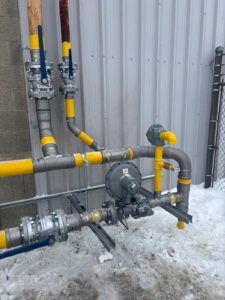
For fuel-fired units, qualified personnel should examine burners, ignition, venting, safeties, and combustion performance as applicable. Electric and heat-pump systems have different inspection requirements, including electrical protection, defrost operation, and supplemental heat sequencing where installed. All work must follow safe access and lockout procedures.
How should boilers and hydronic systems be prepared?
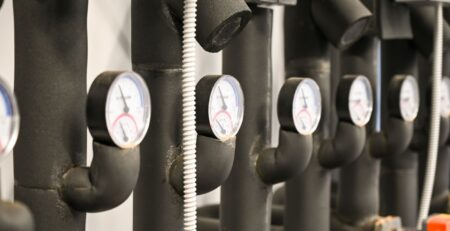
Boilers and hydronic equipment need an integrated review of combustion or heat generation, circulation, controls, and distribution. Check operational logs for abnormal pressure, temperature swings, short cycling, and recurring alarms. Inspections may include expansion equipment, pump operation, air removal, valves, heat exchangers, and evidence of leaks. Water treatment and freeze protection need attention according to the specific system design.
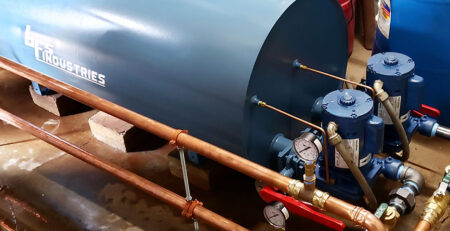
Where steam heating is present, survey condensate equipment and steam traps, inspect accessible piping, and confirm that equipment warms up consistently. Preventive maintenance should address suspected leaks and water hammer promptly. Our commercial boiler sales and support capabilities can also help facility teams evaluate aging boiler room components discovered during a heating inspection.
What should your HVAC winter maintenance schedule look like?
- Before the heating season: complete inspections, testing, and prioritized repairs.
- During initial cold weather: confirm performance under realistic heating loads.
- Throughout winter: review alarms, operating trends, filters, and critical components.
- After significant equipment faults: document root causes and verify corrective work.
The ideal frequency depends on equipment duty, manufacturer instructions, and the consequences of lost heating. A school might plan work around class schedules, while a manufacturing facility may need access during a scheduled production shutdown. Put specific service dates, responsible contacts, and escalation steps into the maintenance plan so follow-up work does not become lost between teams.
How does maintenance support HVAC energy efficiency?
Energy performance depends on correct schedules, clean heat-transfer surfaces, calibrated controls, and airflow that matches the building’s needs. Review occupied and unoccupied setpoints, start-stop times, simultaneous heating and cooling, and recurring overrides. The Department of Energy recommends matching HVAC schedules to occupancy and optimizing heating-system controls as part of facility energy management.
Compare trends over similar weather conditions before drawing conclusions about savings. Unexpected fuel or electrical use may reflect controls drift, equipment deterioration, occupancy changes, or production changes. A careful assessment connects these possibilities with measured conditions and identifies work that may deliver a reliable operational benefit.
Prepare your facility with a service plan that fits
Confirm that the facility has usable emergency contact information and clear internal reporting procedures. Operators should know how to recognize abnormal heating conditions, where to find equipment identification, and whom to notify when an alarm appears. A concise response plan improves coordination during cold weather.
Review spare parts availability for equipment with a history of failure. Belts, sensors, actuators, and specialized controls may have different lead times. Maintenance records can help identify reasonable inventory needs without purchasing parts that are unlikely to be used.
Commercial HVAC preventive maintenance gives your building team a structured way to manage reliability before peak winter demand. Atkinson Energy Group supports inspections, repairs, energy efficiency retrofits, and heating-system services in Massachusetts and Rhode Island. If your facility needs a winter-readiness review, contact EES, Inc. to discuss your equipment and maintenance priorities.


Leave a Reply