
When Should You Replace a Commercial Boiler in Massachusetts?
A commercial boiler replacement becomes worth evaluating when repairs increase, heating output becomes unreliable, or fuel consumption rises without a clear operational cause. Facility managers should assess equipment condition, actual heating demand, water quality, controls, and total ownership cost before committing to a project.
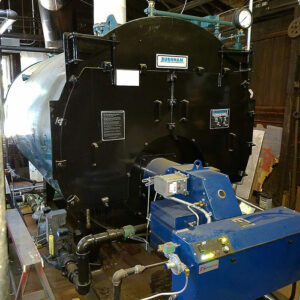
In Massachusetts, a commercial boiler replacement can affect far more than a winter heating schedule. Schools need dependable classrooms, manufacturing plants rely on process heat, and municipal buildings must maintain safe conditions throughout long cold periods. A failed boiler can disrupt these operations while the team scrambles to find parts, arrange temporary heat, and authorize urgent work. Planning the replacement around the facility’s operating needs creates room for meaningful engineering decisions. Our commercial boiler sales team supports equipment selection and boiler room projects for commercial and industrial properties across the region.
What are the clearest signs your commercial boiler needs replacement?
A single service call rarely tells the whole story. The strongest warning comes from a pattern of declining reliability that maintenance records can document. Frequent burner lockouts, pressure fluctuations, leaking sections, or repeated failures of the same component deserve closer investigation. When technicians must return for similar problems throughout a heating season, the facility is absorbing labor, lost time, and an increasing risk of an interruption.
Energy use provides another important signal. Compare fuel consumption after accounting for heating degree days, occupancy, hours of operation, and production demand. A meaningful increase may indicate combustion problems, heat-transfer fouling, excessive standby losses, or controls that no longer respond correctly. Your operating team should commission a diagnostic assessment before assuming that a new boiler is the only remedy.
- Document repair frequency and the cost of critical replacement parts.
- Track unplanned outages and the operational effect of each shutdown.
- Review evidence of corrosion, tube damage, or persistent water leaks.
- Compare measured combustion performance with the equipment’s operating history.
How does commercial boiler efficiency affect the replacement decision?
Commercial boiler efficiency is influenced by the burner, heat-transfer surfaces, loading pattern, distribution system, and associated controls. Nameplate ratings describe performance under defined test conditions; a building operating at partial load throughout much of the year can behave quite differently. Evaluate seasonal performance and the system’s actual demand profile when estimating potential savings.
For steam applications, an efficient boiler can still lose substantial energy through defective steam traps, excessive blowdown, uninsulated piping, and poor condensate recovery. Hydronic systems may suffer from incorrect water temperatures, short cycling, or inadequate pump control. That broader system perspective prevents a costly equipment purchase from leaving familiar performance problems in place.
What should a boiler room retrofit include?
A boiler room retrofit begins with a facility assessment and a design basis. Heating loads, available fuels, venting, combustion air, electrical infrastructure, structural access, water treatment, and code requirements all influence the scope. A qualified design team should check piping compatibility and any necessary changes to feedwater, condensate, pumps, valves, and controls.
Sizing and operating sequence
Right sizing is particularly important in older properties where insulation, use patterns, or production processes have changed. Oversizing can produce unnecessary cycling and poor part-load performance. In plants with variable demand, the evaluation may consider multiple boilers, lead-lag sequencing, and redundancy for critical operations. The final configuration should reflect the site’s tolerance for downtime as well as its load profile.
Commissioning and operator readiness
Installation is only one project phase. A complete scope also addresses startup testing, combustion adjustment, safety interlocks, operating documentation, and training for the people who will manage the equipment. Clear acceptance criteria help establish whether the new system performs as intended before the project is considered complete.
How can you control commercial boiler replacement costs?
Ask for a proposal that separates equipment, engineering, demolition, rigging, piping modifications, electrical work, permitting, controls integration, testing, and contingency allowances. Clarify which work can occur during occupied hours and whether temporary heat or a staged changeover is necessary. This level of detail makes proposals easier to compare and reduces surprises once the facility is committed to the upgrade.
The comparison should also include expected maintenance, fuel requirements, useful service life, and the financial impact of outages. A lower initial price may produce a more expensive operating arrangement if it excludes important supporting equipment or offers poor access for maintenance. For a deeper review of mechanical-system planning, explore our commercial and industrial HVAC services and the retrofit capabilities they cover.
What timeline works best for a Massachusetts facility?
Start the process before the next heating season whenever possible. Existing system measurements and engineering can take place while equipment is operating, followed by equipment procurement, permitting, installation planning, and commissioning. Lead times vary with boiler configuration, accessories, and project complexity. Establish a realistic schedule with the vendor rather than assuming every replacement can be completed during a short shutdown.
For schools, municipalities, and manufacturers in Central Massachusetts, the right work window depends on occupancy, production cycles, and backup capacity. A well-defined sequence should cover isolation of existing equipment, safety checks, temporary operating arrangements, and the steps required before the new boiler is placed into regular service.
Build a more reliable heating plan with Atkinson Energy
Commercial boiler replacement is most effective when the scope reflects real operating conditions, maintenance needs, and long-term energy performance. Atkinson Energy Group supports boiler equipment selection, installation planning, preventative maintenance, and retrofit projects through its specialized divisions. If your Leominster-area facility is facing recurring boiler problems, contact Atkinson & Lawrence to discuss the equipment and project requirements with our team.


Leave a Reply